Japan
Ancient traditions, futuristic cities, incredible food and landscapes that change dramatically with the seasons. Japan is one of those destinations that can feel completely different depending on when you visit and how you choose to explore it.
Where to Stay in Japan: The Best Areas for Your Trip
Where you stay can make a surprisingly big difference to your experience of Japan. With so many neighbourhoods to choose from, especially in Tokyo, it can be difficult to know where to start. And when you’re travelling with limited annual leave, location matters. You don’t want to spend your evenings travelling across the city just to get back to your hotel.
You also don’t necessarily need to stay in the most famous neighbourhood or book the most expensive hotel. The right area for you will depend on the kind of trip you want.
For a first trip to Japan, I’d focus on three main cities: Tokyo, Kyoto and Osaka. They’re easy to combine, well connected by train and give you a great introduction to different sides of the country.
Disclosure: Some links in this article are affiliate links, which means I may earn a small commission if you book through them, at no extra cost to you. I only recommend services and booking options I would consider using myself.
Where to Stay in Tokyo
Tokyo is enormous, so choosing where to stay can feel like a decision in itself. You don’t need to stay next to every attraction. Tokyo’s public transport is excellent, and if you’re close to a convenient train or metro station, you can get around surprisingly easily.
The areas I’d consider first are:
- Shinjuku : excellent transport connections and lots happening
- Shibuya : shopping, restaurants and a lively atmosphere
- Ueno : great connections with a more relaxed, local feel
- Asakusa : traditional atmosphere and a slower pace
- Tokyo Station / Marunouchi : incredibly convenient for transport and Shinkansen journeys
Shinjuku
Shinjuku is one of the most popular areas to stay in Tokyo, and for good reason. It’s incredibly well connected, with plenty of restaurants, shops, bars and things to do at almost any time of day.
That said, it wasn’t my favourite place to stay.
On my first trip to Japan, I stayed in Shinjuku and found some parts of the area quite overwhelming, particularly in the evening. Depending on exactly where your hotel is, you can find yourself surrounded by nightlife and love hotel areas, which isn’t necessarily the atmosphere everyone wants when coming back to their hotel after a long day of sightseeing.
This doesn’t mean you should avoid Shinjuku. There are plenty of quieter parts of the area, and its transport connections are hard to beat.
My tip: don’t just search for “Shinjuku” and book the cheapest hotel you find. Check the exact location on Google Maps and have a look at what’s around it.
Shibuya
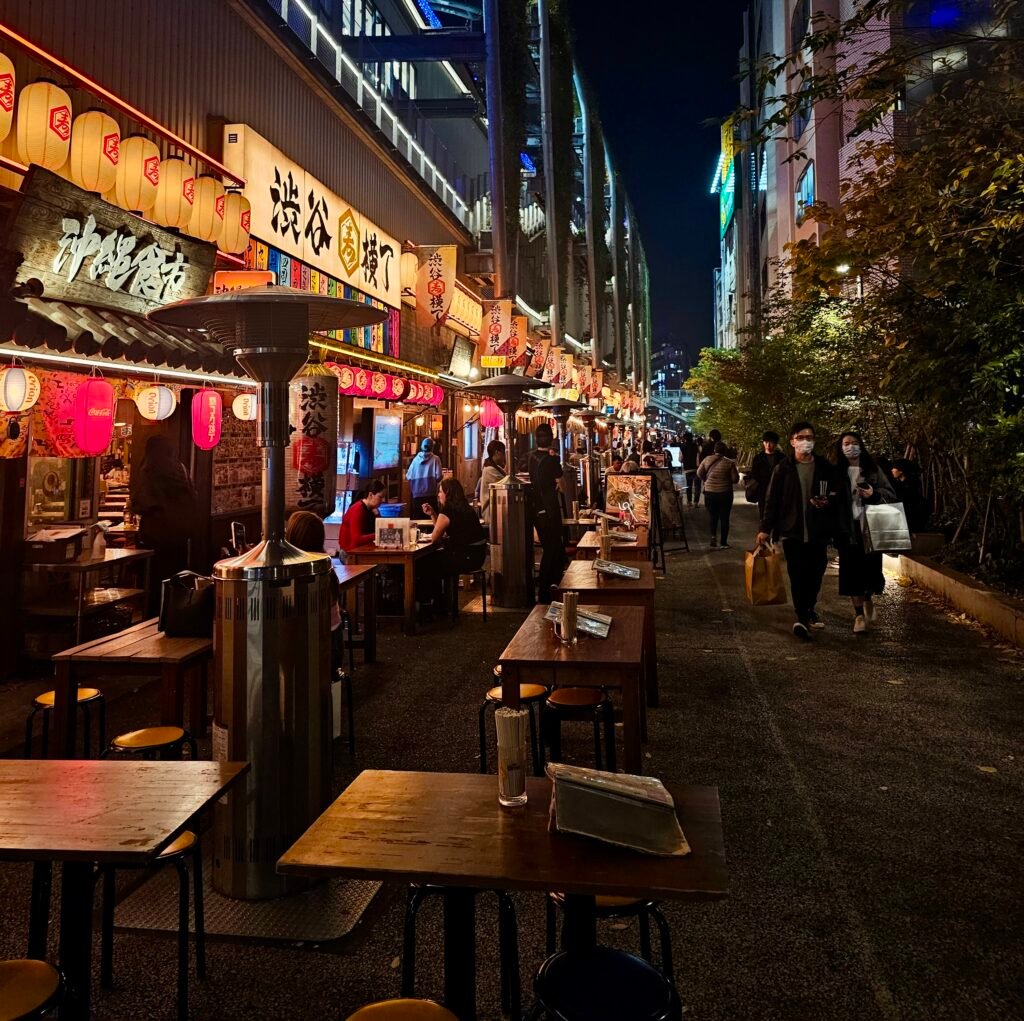
Shibuya is another popular choice and has a very different feel from quieter parts of Tokyo. It’s lively, modern and packed with shops, restaurants and cafés. It’s a good option if you want to be right in the middle of the action and don’t mind a busier atmosphere.
It’s also well connected, making it easy to explore other parts of Tokyo. If you like having plenty of places to eat and things to do right outside your hotel, Shibuya is worth considering.
Ueno
Ueno was my choice on my second trip to Japan and I loved it so much more !
The area felt more relaxed and residential while still being incredibly well connected. There were plenty of small restaurants and cafés around, and I loved being able to walk back through the neighbourhood in the evening and feel a little more like I was experiencing everyday Tokyo rather than staying right in the middle of the tourist and nightlife areas.
Ueno is also a great base for exploring. You’ll find Ueno Park, museums, Ameyoko and excellent train connections, including JR lines and the Shinkansen.
If I were booking a first trip to Tokyo again, Ueno would definitely be on my shortlist.
It may not have the same immediate excitement as Shibuya or Shinjuku, but that was exactly what I liked about it.
Asakusa
If you’d prefer a more traditional side of Tokyo, Asakusa is worth considering. The area is home to Senso-ji and some of Tokyo’s older streets, with plenty of smaller restaurants and traditional shops.
It’s generally a little calmer than the major nightlife districts and can be a good choice if you’re looking for a different atmosphere from the bright lights of Shibuya and Shinjuku.
Tokyo Station & Marunouchi
If convenience is your priority, staying around Tokyo Station can make a lot of sense.
You’re extremely well connected to the rest of the city and have easy access to the Shinkansen, which is particularly useful if Tokyo is the first or last stop on your Japan trip. The area around Marunouchi is also more polished and business-oriented, so it has a very different atmosphere from Shinjuku or Ueno.
Ready to book your Tokyo stay?
Once you’ve chosen the area that suits you, compare accommodation based on location, reviews, price and cancellation options.
Where to Stay in Kyoto
Kyoto is smaller and more straightforward to navigate than Tokyo, but choosing the right area can still make your trip easier. For most visitors, I’d look at:
- Gion & Higashiyama : traditional Kyoto atmosphere
- Downtown Kyoto / Kawaramachi : restaurants, shops and central location
- Kyoto Station : excellent transport connections

Gion & Higashiyama
If you’re looking for the Kyoto you probably imagined before your trip, this is the area to look at.
You’ll be close to traditional streets, temples, shrines and some of the city’s most atmospheric areas. It’s particularly lovely in the morning and evening when some of the busiest sightseeing crowds have gone.
The trade-off is that some parts can be more expensive, and you’ll still need public transport or walking to reach attractions elsewhere in Kyoto.
Downtown Kyoto & Kawaramachi
For a good balance between sightseeing, restaurants and convenience, the area around Kawaramachi and central Kyoto is a great option. You’ll have plenty of places to eat and shop nearby, while still being well placed for exploring the rest of the city.
If you’re only spending a couple of nights in Kyoto, location is more important to me than having a particularly large or luxurious hotel. You’ll probably spend most of your day out exploring anyway.
Kyoto Station
Kyoto Station isn’t the most atmospheric part of the city, but it’s incredibly practical. If you’re arriving by Shinkansen, taking day trips or travelling onwards to Osaka, being close to the station can save you a lot of time. And when you’re travelling with limited annual leave, convenience has its own value.
Ready to book your Kyoto stay?
Once you’ve decided which part of Kyoto suits your trip, you can compare hotels and look for a convenient location with the facilities and cancellation policy you need.
→ Find hotels in Kyoto on Booking.com
Where to Stay in Osaka
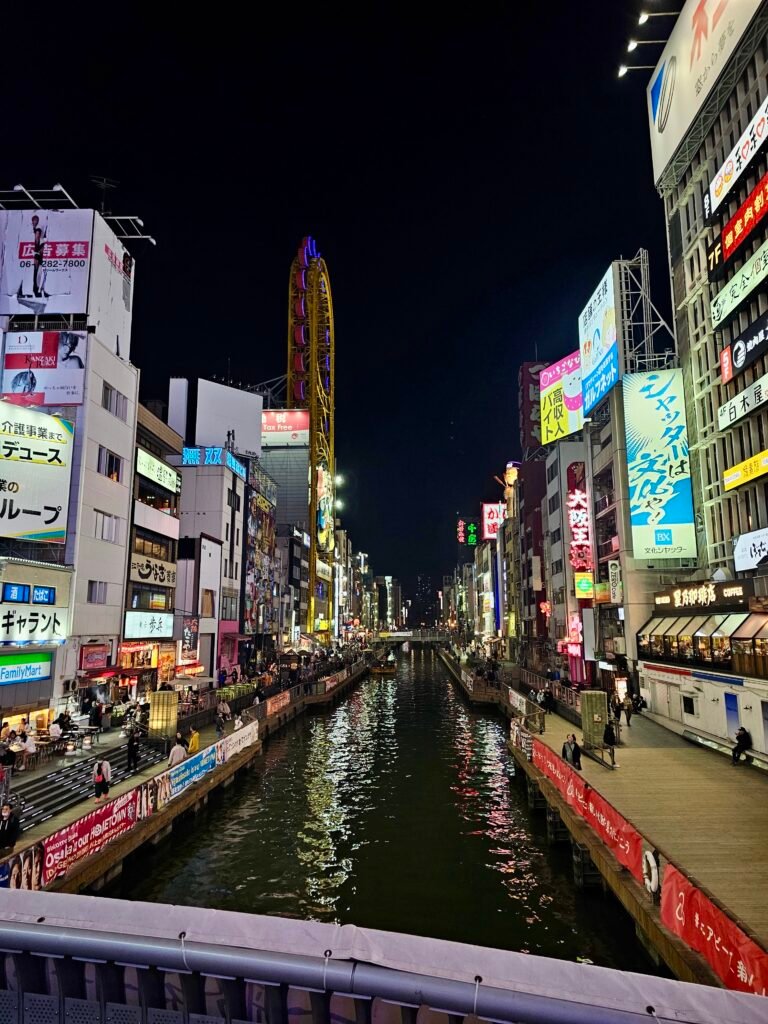
Osaka is a little easier to navigate than Tokyo, and two areas stand out for most visitors:
- Umeda / Osaka Station : excellent transport connections
- Namba : food, nightlife and a lively atmosphere
Namba
If food is high on your Japan list, Namba is a very natural choice. You’re close to Dotonbori, restaurants, shopping and plenty of nightlife, making it easy to head out for dinner without worrying about a long journey back to your hotel.
It’s lively, so again, check the exact location of your accommodation if you’d prefer somewhere quieter.
Umeda / Osaka Station
Umeda is particularly useful if you’re planning to use Osaka as a base for exploring the wider Kansai region. Osaka Station has excellent connections, making day trips to places such as Kyoto, Kobe and beyond straightforward.
If your Osaka stay is more about exploring the region than nightlife, I’d seriously consider staying around here.
Ready to book your Osaka stay?
Whether you choose lively Namba or the transport connections of Umeda, I’d compare a few options before booking and check exactly where the hotel is located.
→ Find hotels in Osaka on Booking.com
What About Other Places in Japan?
You don’t need to stay in every destination you visit. One of the advantages of travelling around Japan is that the rail network makes many places accessible as day trips.
Depending on the length of your trip, you might also consider staying in:
- Hakone : for hot springs and Mount Fuji views.
- Hiroshima : particularly if you want more time to explore Hiroshima and Miyajima.
- Kanazawa : for gardens, traditional neighbourhoods and a different side of Japan.
- Nara : easy to visit from Kyoto or Osaka, so you don’t necessarily need to change hotels.
For a first trip, I’d avoid adding a new hotel every time you visit somewhere new. Your accommodation should make your trip easier, not add unnecessary travel time.
How to Choose the Right Hotel Location
Once you’ve decided which city and neighbourhood you’d like to stay in, there are a few things I’d check before booking.
How close is it to a station?
You don’t need to be directly outside a station, but being within around 5–10 minutes’ walk can make a big difference, especially when you’re carrying luggage.
Does it have good transport connections?
Don’t just look at the neighbourhood name. Open the hotel in Google Maps and check which train or metro lines are nearby and how easy it is to get to the places you want to visit.
How easy is it with luggage?
Think about how you’ll get to the hotel from the airport and how you’ll travel to your next destination.
A hotel that’s a little further from the tourist centre but much easier to reach by train can sometimes be the better choice.
What’s nearby?
I love being able to walk out of my hotel and find somewhere to eat without having to get back on public transport. Check Google Maps for restaurants, cafés and convenience stores around your hotel before booking.
Check the exact location
This is particularly important in Tokyo. Two hotels can both be advertised as being in “Shinjuku” but feel completely different once you’re actually there. Look at the surrounding streets, transport connections and what’s nearby before you book.
My Hotel Booking Strategy
I tend to start looking for accommodation well before a trip, particularly when I know my dates. I’ll usually look for a good location, strong reviews and free cancellation first. If I find something that works, I’ll secure it and keep an eye on prices as the trip gets closer. That way, I’m not leaving everything until the last minute, but I’m also not necessarily locked into the first hotel I find.
If you’re planning your own trip, I explain more about this approach in my guide to when to book your accommodation and flights.
Booking Your Japan Accommodation
Once you’ve worked out where you want to stay, Booking.com is a useful place to compare your options in one place.
I would start by choosing your city and dates, then filter based on the things that actually matter to you location, review score, price and free cancellation.
Don’t be afraid to look beyond the most famous neighbourhoods either. As my experience with Ueno showed me, a slightly less obvious area can sometimes be a much better fit for the kind of trip you want.
Where Should You Stay in Japan?
For a first trip, you really can’t go too far wrong with Tokyo, Kyoto and Osaka as your main bases.
In Tokyo, think about what kind of atmosphere you want. Shinjuku and Shibuya are lively and incredibly well connected, while Ueno and Asakusa offer a slightly calmer experience.
In Kyoto, choose between traditional Gion and Higashiyama, central Kawaramachi or the convenience of Kyoto Station.
And in Osaka, Namba is great for food and nightlife, while Umeda is particularly convenient for transport and day trips.
But don’t feel like you need to find the “perfect” neighbourhood. A convenient hotel in an area you enjoy is much more valuable than spending hours searching for the absolute best place to stay.
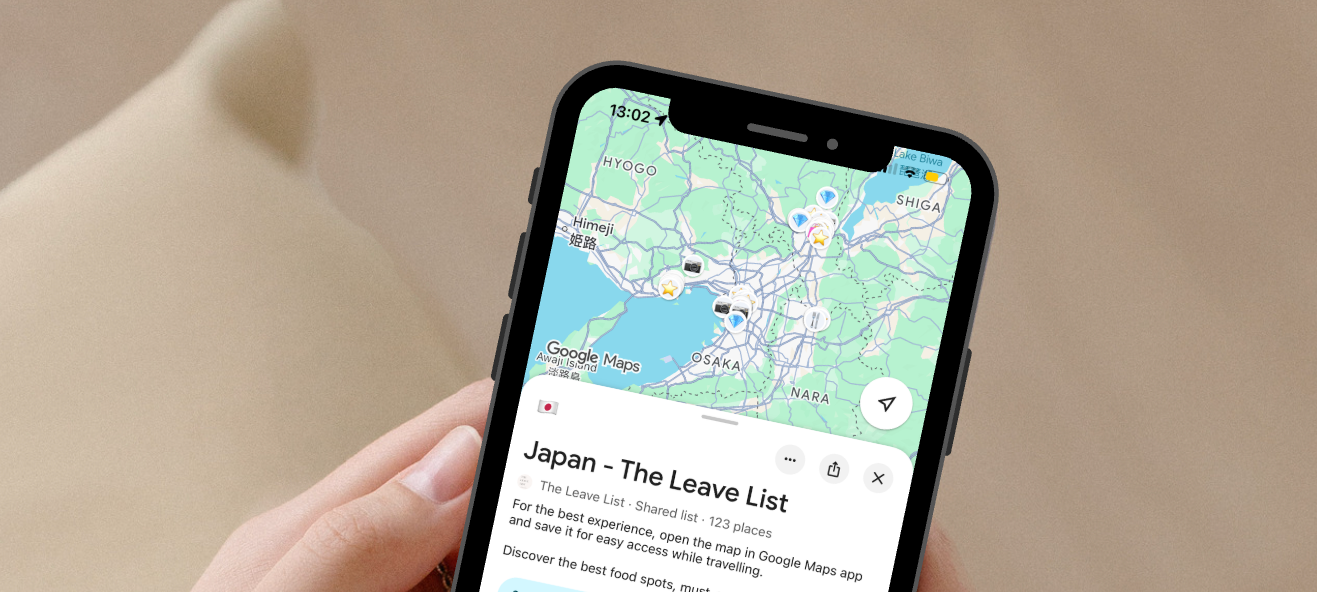
Once you’ve chosen your base, the next step is working out what to do when you’re there. My Japan Travel Map brings together curated places to eat, explore and add to your trip, so you can spend less time researching and more time exploring.
→ Explore the Japan Travel Map
Find out more
Ready to plan your Japan trip ?
Now that you’ve explored where to go, it’s time to start putting your trip together.
More about Japan
When to go
How long should you stay