How to Build the Perfect Travel Itinerary
A good itinerary saves you time once you’re there. Learn how to plan smarter, avoid tourist traps and make every day of your trip count.
How to Build the Perfect Travel Itinerary
A great itinerary isn’t about filling every minute of your trip. It’s about knowing what you want to do, organising your days sensibly and spending less time figuring things out once you’re there.
When you have limited annual leave, this matters even more. You don’t want to waste precious hours deciding where to eat, what to see or whether something is actually worth visiting once you’re already at your destination.
Here’s how I plan my trips and why I rarely travel without doing the research beforehand.
1. Start With What You Actually Want to See
Before planning individual days, make a list of the things you genuinely want to experience. Think beyond the obvious tourist attractions. What neighbourhoods do you want to explore? Is there a particular restaurant you want to try? A viewpoint you’ve seen online? A market, café, museum or day trip that you don’t want to miss?
I usually start with a long list and then narrow it down. Not everything needs to make it into the final itinerary.
This also helps you work out how much time you actually need. If your list is already overflowing, trying to squeeze everything into three days isn’t going to make for a very enjoyable trip.
2. Group Your Days by Area
One of the easiest ways to waste time on holiday is constantly crossing a city from one side to the other.
Instead, look at where everything is located and group your plans geographically. If several sights, a market and few restaurants are all in the same neighbourhood, plan them on the same day. You’ll spend less time on public transport or in taxis and more time actually exploring.
This is particularly important on shorter trips. When you only have a few days, every hour of unnecessary travel adds up.
I also like to keep my itinerary flexible within each area. I’ll know roughly what I want to see and where I want to eat, but I don’t necessarily decide exactly what time I’ll do everything.
3. Plan Your Food Before You Go
This is one thing I will always plan ahead. I’m a huge foodie, so knowing where I’m going to eat is a pretty important part of my travel planning. I know some people prefer to arrive somewhere and simply see where the day takes them, but I’ve found that this can be a particularly expensive gamble.
When you’re hungry, tired and standing in a busy tourist area, you’re much more likely to walk into the first restaurant that looks convenient. And unfortunately, convenient doesn’t always mean good.
You can end up paying too much for mediocre food simply because you didn’t have time to research your options.
I prefer to have a few good restaurants, cafés and local food spots saved for each area I’m visiting. That doesn’t mean I book every meal in advance. It simply means I already know where the good options are.
It makes a huge difference.
Planning your food isn’t about taking the spontaneity out of your trip. It’s about knowing where the good stuff is before you’re hungry and surrounded by tourist traps.
4. Use the Leave List Maps
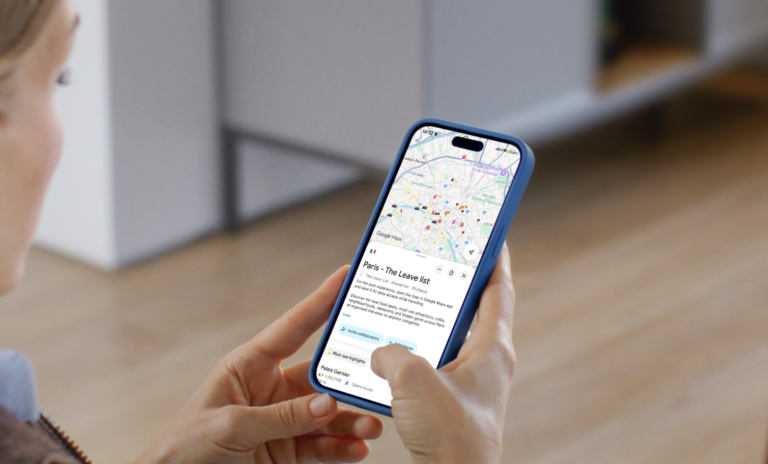
This is exactly why I created the Leave List Maps.
I’ll admit it: I’m a bit of a travel research freak. I genuinely enjoy spending hours researching a destination, finding the best restaurants, discovering hidden gems and figuring out what is actually worth doing.
But I know that’s not everyone. Most people don’t want to spend their evenings scrolling through hundreds of reviews, saving Instagram posts and opening twenty different tabs before a trip.
So I did the research for you. The Leave List Maps bring all that research together in one place, with the places I’d actually recommend and why organised by destination. You’ll find things like must-see highlights, hidden gems, photo spots, shopping areas, nightlife and bars, local food spots and cafés all ready to explore on Google Maps app.
The biggest benefit is simply having everything ready before you arrive. Instead of spending your first morning working out what to do or constantly stopping to search for places, you can open the map, see what’s around you and make decisions as you go.
It also makes planning your days much easier. You can see what’s close together, save the places that interest you and build an itinerary that actually makes sense geographically.
The whole point is simple: I spend the hours researching so you can spend your holiday enjoying the destination.
5. Don’t Overplan Every Minute
Planning ahead doesn’t mean creating a military-style schedule. In fact, I think that’s one of the easiest ways to make a trip exhausting.
Leave some gaps in your days. You might discover a neighbourhood you love, spend longer than expected at a museum, stop for coffee or simply decide you want to sit somewhere and enjoy the atmosphere. I like to know what area I’m exploring, what I want to see and where I’d like to eat, but I don’t need to know exactly what I’ll be doing at 2:17pm.
Think of your itinerary as a framework rather than a timetable. That way, you get the benefits of planning without feeling like you’re constantly racing the clock.
6. Build an Itinerary That Works for You
There’s no single perfect way to plan a trip. Some people want every day mapped out. Others want almost complete freedom. Most of us probably fall somewhere in between.
For me, the perfect itinerary gives me enough structure to make the most of my time without taking away the feeling of being on holiday.
I’ll research the destination beforehand, save the places I want to visit, group them by area and make sure I know where the good food is. Then, once I’m there, I can actually relax.
That’s the biggest benefit of planning ahead: you’re not spending your limited annual leave making decisions you could have made at home.
Plan Ahead. Enjoy More Once You’re There.
When your holiday is short, you can’t get those wasted hours back. A little research before you leave can mean less time searching, less money wasted on disappointing tourist traps and more time actually enjoying the destination.
That’s exactly what the Leave List is about: making every day away count.
Find out more
Ready to plan the rest of your trip?
Explore practical tips to help you plan better, pack smarter and travel with ease.